The Inspiration

If you had one shot, one opportunity to seize every word you ever wanted — in one moment, realistically a few years from now — would you capture it, or let it slip?
These words are heavy, eyes weak, mind ain't savvy. There are words on the board already — words, confetti! Welcome to WordBank.
The inspiration? Honestly, this one time I was coaching at a school and a kid comes running up to me — "Coach, coach, is R-U-N a word?" I looked at him with utter patience and nodded. He fled in glee, but he had no place to play the word. The board was blocked.
Sometimes the board isn't the only thing that's blocked. In the vast world of Scrabble, your mind is the main challenge. It's funny, because it's the one thing you can control in this game, yet it's also the one thing that can keep you away from it.
Let's address it — the laziness, the tedium, the never-ending forgetfulness that makes recalling countless word lists feel pointless. It's excruciatingly painful and unequivocally confusing (notice the big words there).
WordBank is built to help Scrabble players keep tabs on their performance and track their progress easily. Everything lives in your profile, and you can join hands with your schoolmates or Scrabble club peers, and coordinate with coaches who set you goals to complete before a practice session or tournament. It's an ideal tool for monitoring individual progress, especially from a coaching perspective — particularly useful for me, since I find myself doing a lot of coaching.
With WordBank, I'm able to guide my students on exactly which word lists to study. They get their own study maps, and they can't tell me they studied a list when they were really on YouTube or Netflix.
In time, WordBank will grow into a platform for maintaining all of your Scrabble progress and records, with easy quizzing features and structured coaching guidance. For now, it's free for you to use!
Badge tiers
1 point per letter studied — a 7-letter word banked is worth 7 points.
About the Developer
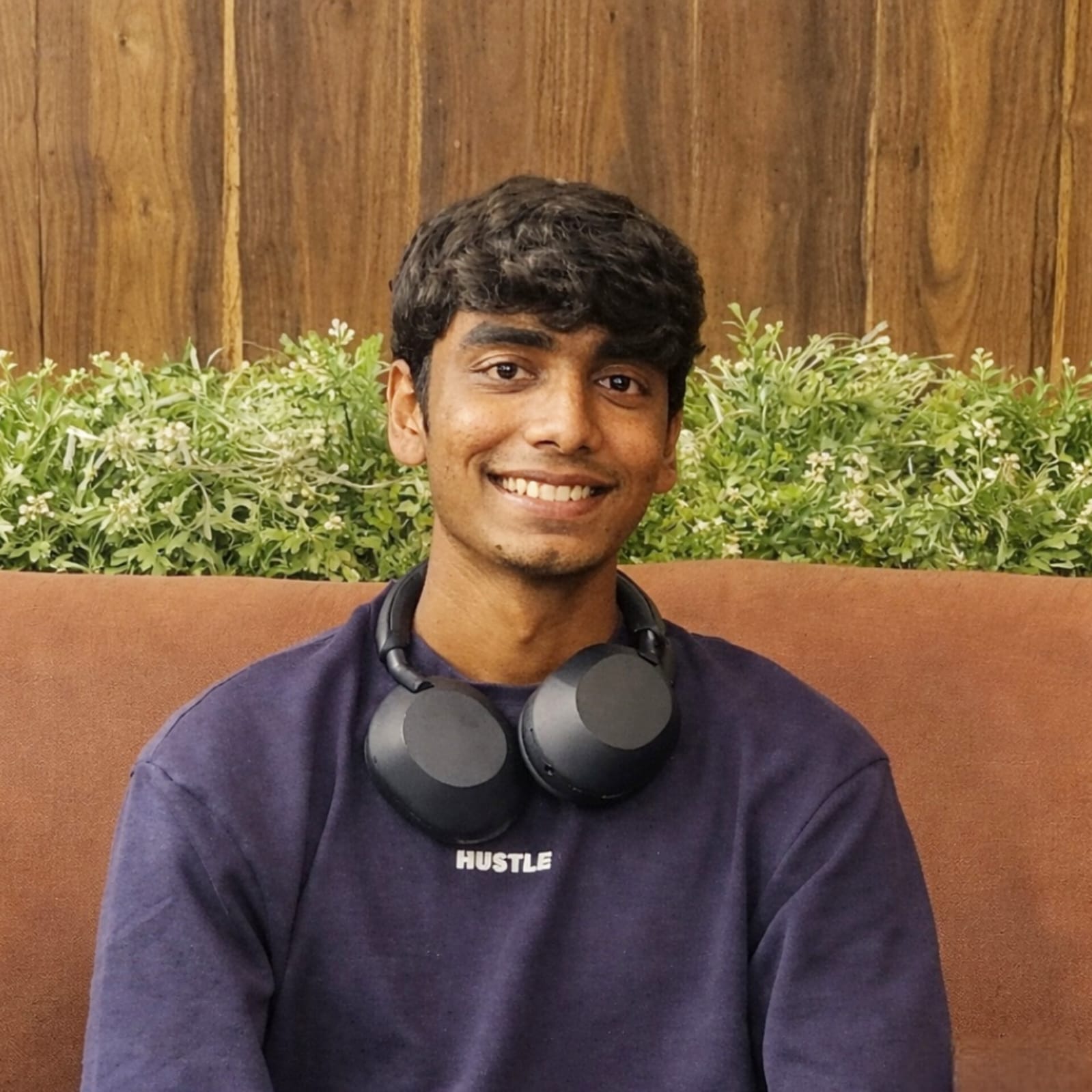
Sometimes, a good Scrabble player.
Credentials
- National Scrabble Champion LKA 2023
- Premier Players' Tournament Champion 2024
- Represented Sri Lanka at the 2025 World Scrabble Championship | Accra, Ghana
- 1st Runner-Up (Div 2) at the 2026 Causeway Challenge | Bangkok, Thailand
- Vice President - Scrabble Federation of Sri Lanka 2026
- WESPA Youth Committee & WESPA Media Committee 2025/2026